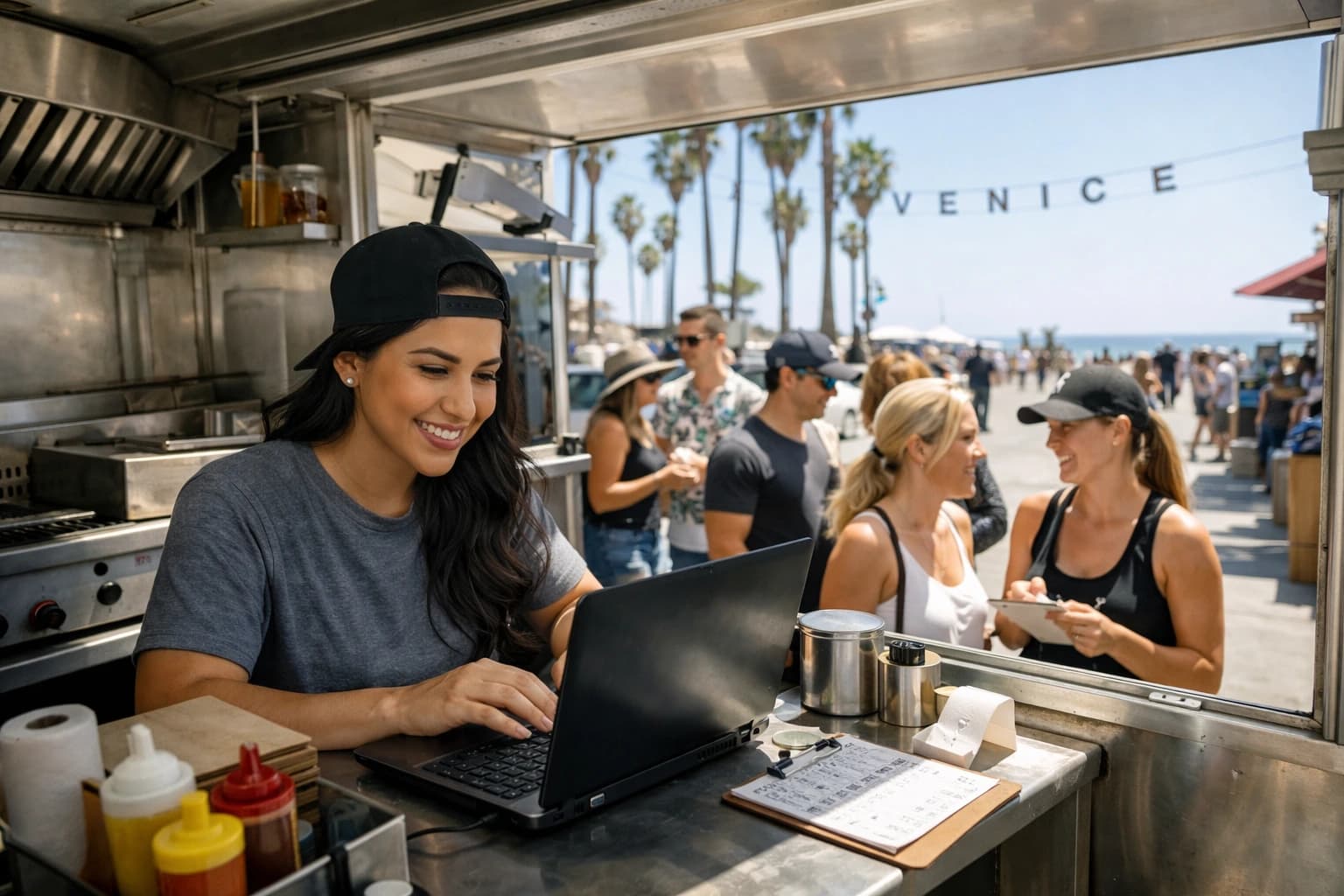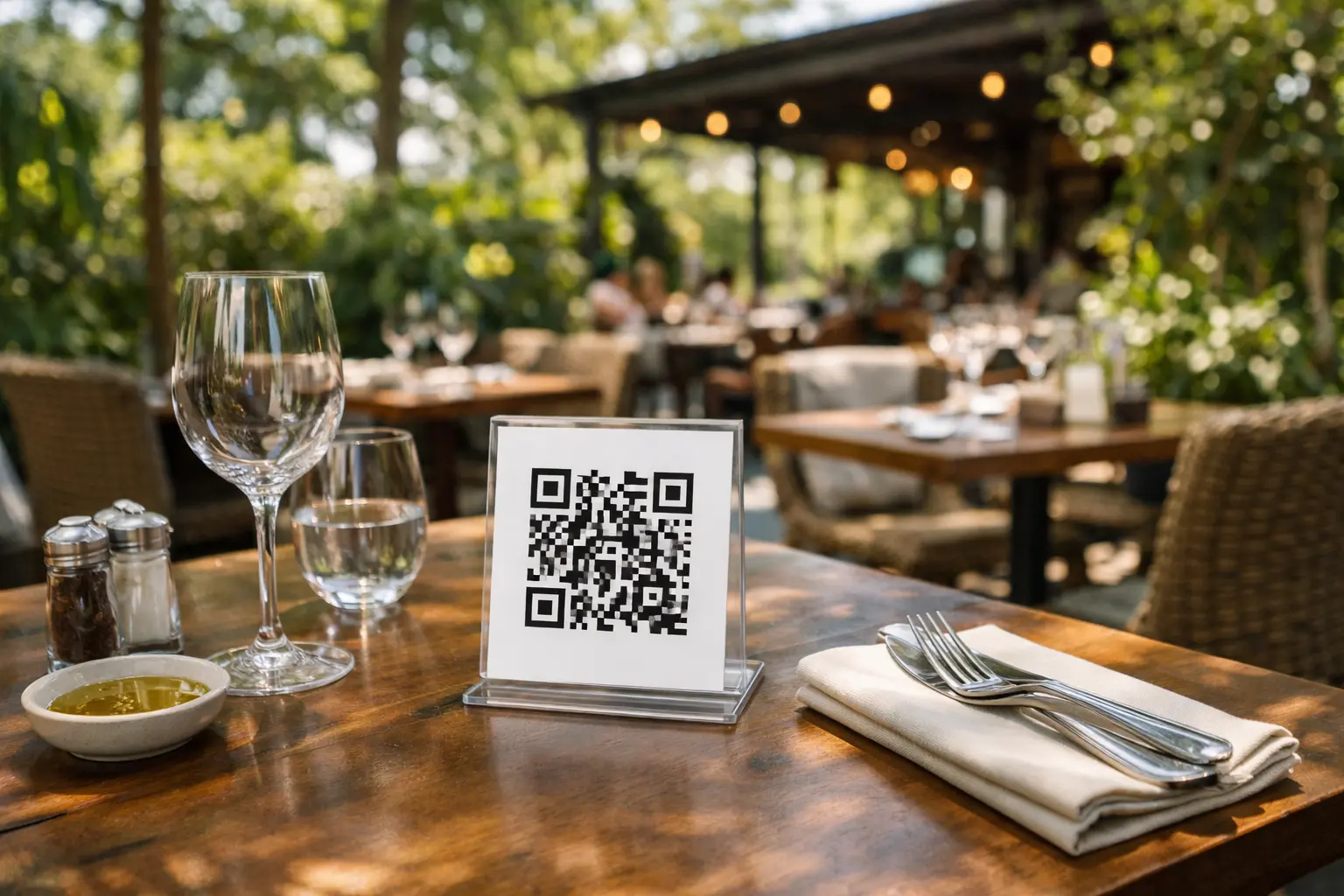
The restaurant industry has undergone a digital transformation, with Quick Response (QR) codes moving from a temporary hygiene fix to a permanent fixture in dining rooms. Whether you are running a food truck or a full-service restaurant, the consensus between software providers and academic research is clear: QR menus are no longer just about reading a PDF on a phone. They are tools for operational efficiency and enhanced service quality.
Here are the key matching use cases for QR codes in restaurants, backed by industry features and scientific research.
1. Dynamic Content and Sustainability
One of the most powerful use cases for QR technology is the ability to move away from static, printed materials.
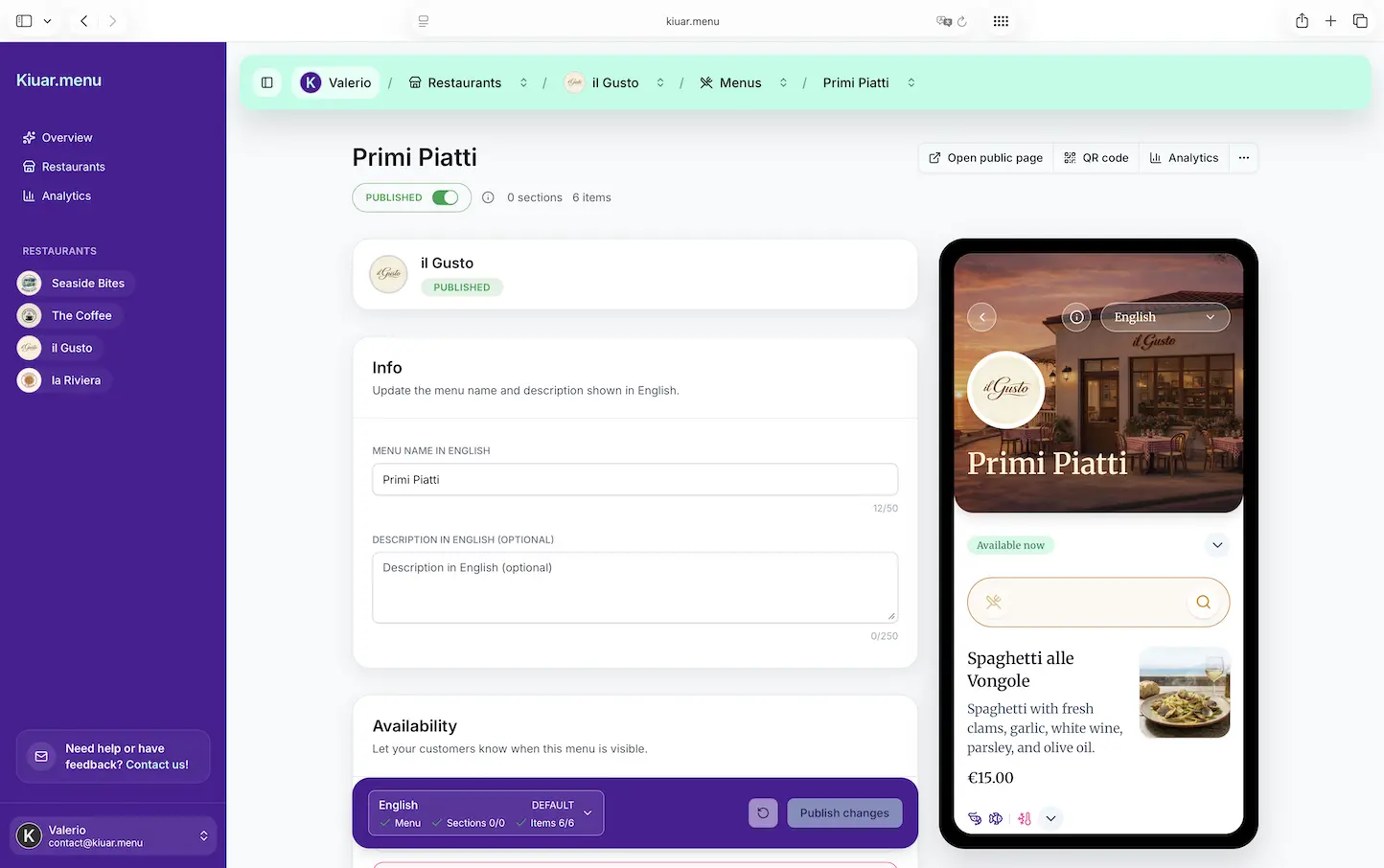
The Use Case: Restaurants can instantly update their offerings without the cost or waste of reprinting. Commercial platforms like Kiuar.menu allow operators to publish menu updates in seconds, hide items mid-service, or add seasonal dishes instantly. This capability mirrors academic findings which highlight that businesses use QR menus to reduce printing costs, a vital factor in economies where prices change frequently.
Why It Matters: By eliminating physical reprints, restaurants contribute to sustainability while maintaining agility. Research confirms that this shift not only saves money but also allows for the easier display of promotions and facilitates the management of volatile prices. This "edit once, update everywhere" approach ensures that every customer scanning the code sees the most current changes instantly.
2. Enhanced Information and Inclusivity
QR codes provide a depth of information that physical menus simply cannot accommodate due to space constraints.
The Use Case: Digital menus allow for a richer presentation of the culinary experience. Kiuar.menu emphasizes the ability to serve every guest better by translating dishes into up to 29 languages and tagging allergens or dietary notes. Similarly, academic studies note that customers prefer QR menus because they offer detailed product information—such as calories, nutritional values, and ingredient details—along with visuals that might not fit on a printed page.
Why It Matters: This depth of information directly influences the decision-making process and facilitates customer choices. By providing multi-language support and clear dietary labels, restaurants ensure that every guest feels confident when ordering.
3. Speed of Service and Operational Efficiency
Both industry tools and academic research agree that QR codes significantly streamline the ordering process.
The Use Case: The primary functional benefit of the QR menu is the reduction of friction in service. Research indicates that QR menus shorten waiting times by allowing customers to browse items and place orders without waiting for a waiter. This matches the design philosophy of digital menu platforms, which are built to provide a "fast, elegant, and intuitive web experience" that allows diners to experience a flow that makes ordering a breeze.
Why It Matters: Waiting time is a critical determinant of service quality. By enabling customers to order directly, businesses can increase operational efficiency and turnover. However, research suggests that while this "e-service quality" is valuable, it works best when it supports, rather than replaces, human interaction.
4. Data-Driven Decision Making
The move to digital menus transforms the menu from a passive list into an active data collection tool.
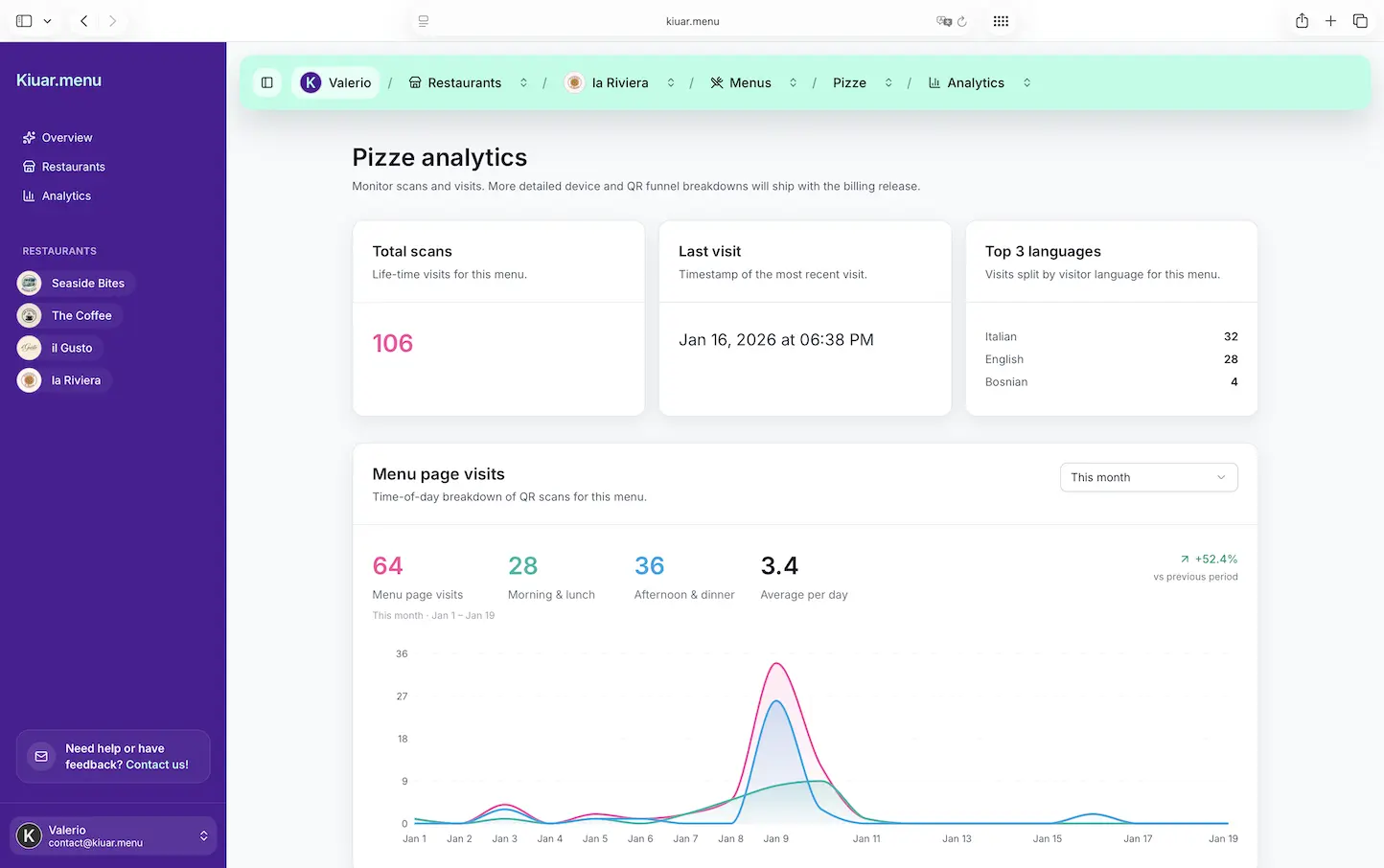
The Use Case: Understanding what diners want is crucial for success. Digital menu platforms provide meaningful analytics, offering insights into guest preferences, real-time views, and popularity rankings across different service times like lunch and dinner. This aligns with academic literature, which notes that QR menus enable the analysis of customer preferences and the evaluation of reviews.
Why It Matters: Instead of guessing which dishes are performing well, restaurant owners can track performance with precision. This data allows staff to create more meaningful customer relationships and hospitality experiences by understanding exactly what delights their guests.
5. Bridging the Gap Between Tech and Trust
While efficiency is key, the successful adoption of QR codes relies on execution and branding.
The Use Case: Trust is a significant factor in technology adoption. Research indicates that perceived risk regarding privacy can influence how customers view e-service quality. To mitigate this, platforms encourage restaurants to customize branding with logos and color palettes, ensuring the digital menu aligns perfectly with the restaurant's in-house look and feel.
Why It Matters: A well-designed technological interface can make customers feel engaged and excited. Research shows that when risk perception is high, the positive impact of a good technology-based service innovation on e-service quality is actually stronger. Therefore, presenting a professional, branded interface that loads quickly and looks secure is essential for winning over tech-wary diners.
Conclusion
The synergy between commercial software capabilities and academic findings illustrates that QR menus are a robust solution for modern dining. By leveraging these tools to provide instant updates, detailed dietary information, and faster service, restaurants can enhance both their operational efficiency and their guests' satisfaction.