Introduction: The Universal Language of Hospitality
For a tourist, walking into a restaurant in a foreign country is often a mix of excitement and anxiety. The smell of the food is inviting, but a text-heavy menu in an unfamiliar language can be an intimidating barrier. Will they accidentally order something they are allergic to? Are they missing out on the house specialty because they simply can’t read the description?
In the past, restaurants tried to solve this by printing clumsy, limited "English versions" of their menus. Today, QR code digital menus have revolutionized this dynamic. By offering the capability to translate dishes into up to 29 languages instantly, restaurants can now offer a seamless, inclusive experience that turns hesitant tourists into confident, high-spending guests.
1. The Power of Instant Translation
The most significant advantage of a modern digital menu platform is its ability to adapt to the user. Unlike a static paper menu, which is locked in a single language, digital platforms allow guests to view the menu in their native tongue with a single tap.
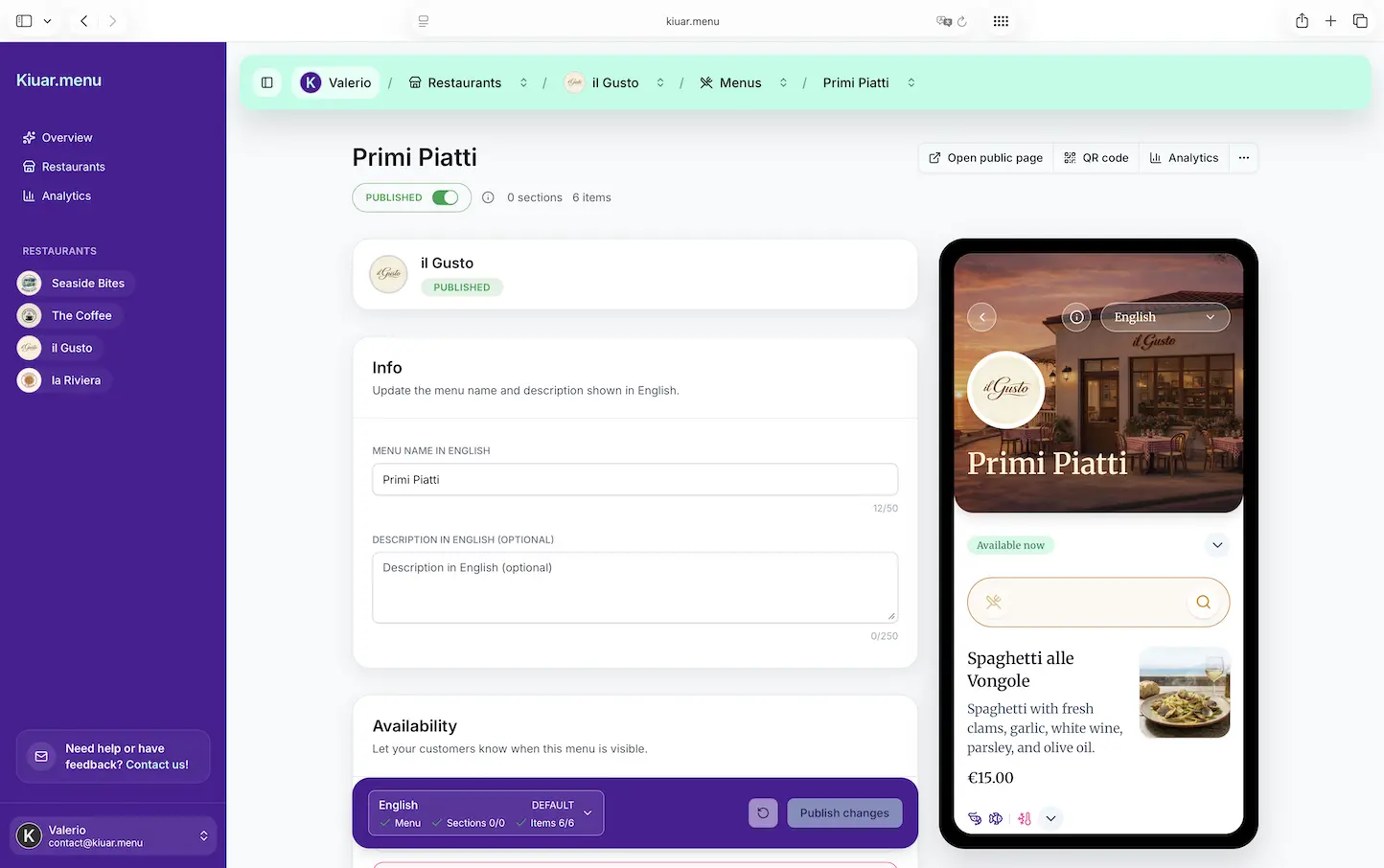
Leading digital menu toolkits now allow restaurateurs to "serve every guest better" by automatically translating dishes into nearly 30 different languages,. This feature creates an immediate sense of welcome. When a guest scans a QR code and sees the interface in their own language, the barrier between them and your food vanishes. They are no longer outsiders struggling to decipher a code; they are guests ready to enjoy a meal.
2. Boosting Confidence and Reducing "Perceived Risk"
Ordering food in a foreign language involves a high degree of what researchers call "Perceived Risk". Customers worry about receiving a dish they didn't expect, or worse, one that contains ingredients they cannot eat.
According to a 2025 study on sustainable QR menus, providing detailed information impacts a customer's decision-making process significantly. When customers perceive high risks (such as health concerns or financial uncertainty regarding what they are ordering), a high-quality digital menu becomes a crucial tool for reassurance,.
Digital menus bridge this gap by:
- Providing Clarity: Detailed descriptions in the guest's native language remove the guesswork.
- Visual Confirmation: High-resolution images allow guests to see exactly what they are ordering, which is universally understood regardless of language,.
- Dietary Tagging: Platforms now allow you to tag allergens and dietary notes (e.g., vegan, gluten-free). When combined with translation, this ensures international guests feel safe and confident in their choices.
3. Operational Efficiency: Edit Once, Update Everywhere
From an operational standpoint, maintaining physical menus in multiple languages is a nightmare. It requires expensive translation services and high printing costs for every single language version. If a price changes, you have to reprint everything.
Digital menus solve this through centralized management. You can design your menu once and the platform handles the complexity. As noted in recent product documentation, you can "edit once, update everywhere," allowing you to hide sold-out items or add seasonal specials that are instantly reflected across all language versions,. This eliminates the wastefulness of paper menus and ensures that your international guests always see accurate pricing and availability.
4. The "Global" Guest Experience
Inclusivity is a major driver of customer satisfaction. By removing the friction of language, you are not just selling food; you are offering a service experience that feels personalized and safe.
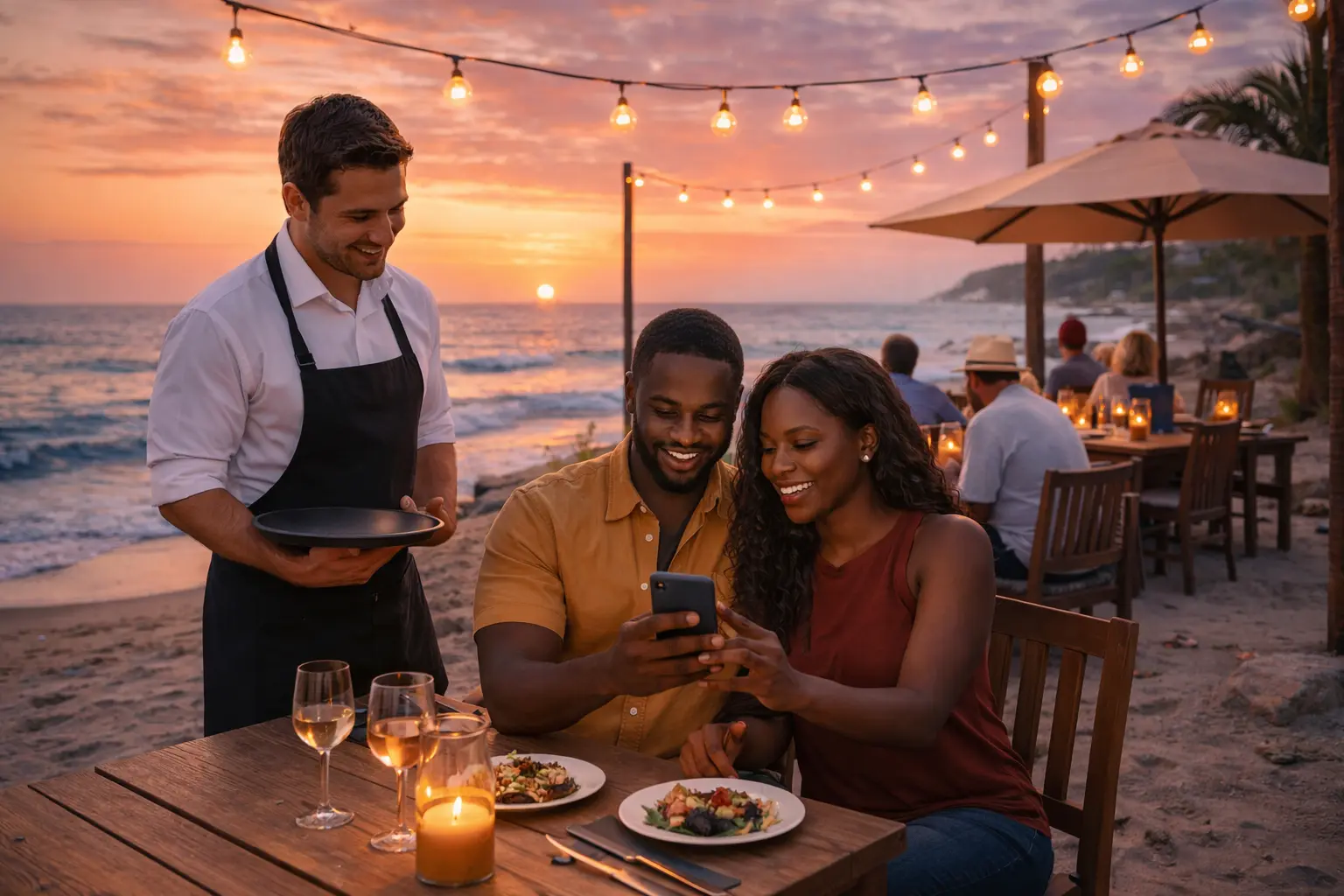
While technology handles the translation, it supports the human connection rather than replacing it. When a guest doesn't have to struggle to ask, "What is this ingredient?" in broken language, the interaction with the server can focus on hospitality and warmth,. The digital menu handles the data; your staff handles the emotion.
Conclusion
In a globalized world, your menu needs to speak more than one language. By adopting a digital menu system that offers instant translation and clear dietary information, you are sending a powerful message to tourists: You belong here.
Eliminate the guesswork, reduce the risk for your guests, and maximize your ROI by ensuring that no order is ever lost in translation.
Ready to reach global guests? Look for digital menu platforms like Kiuar.menu that offer multi-language support and dietary clarity to ensure everyone feels confident ordering at your table.