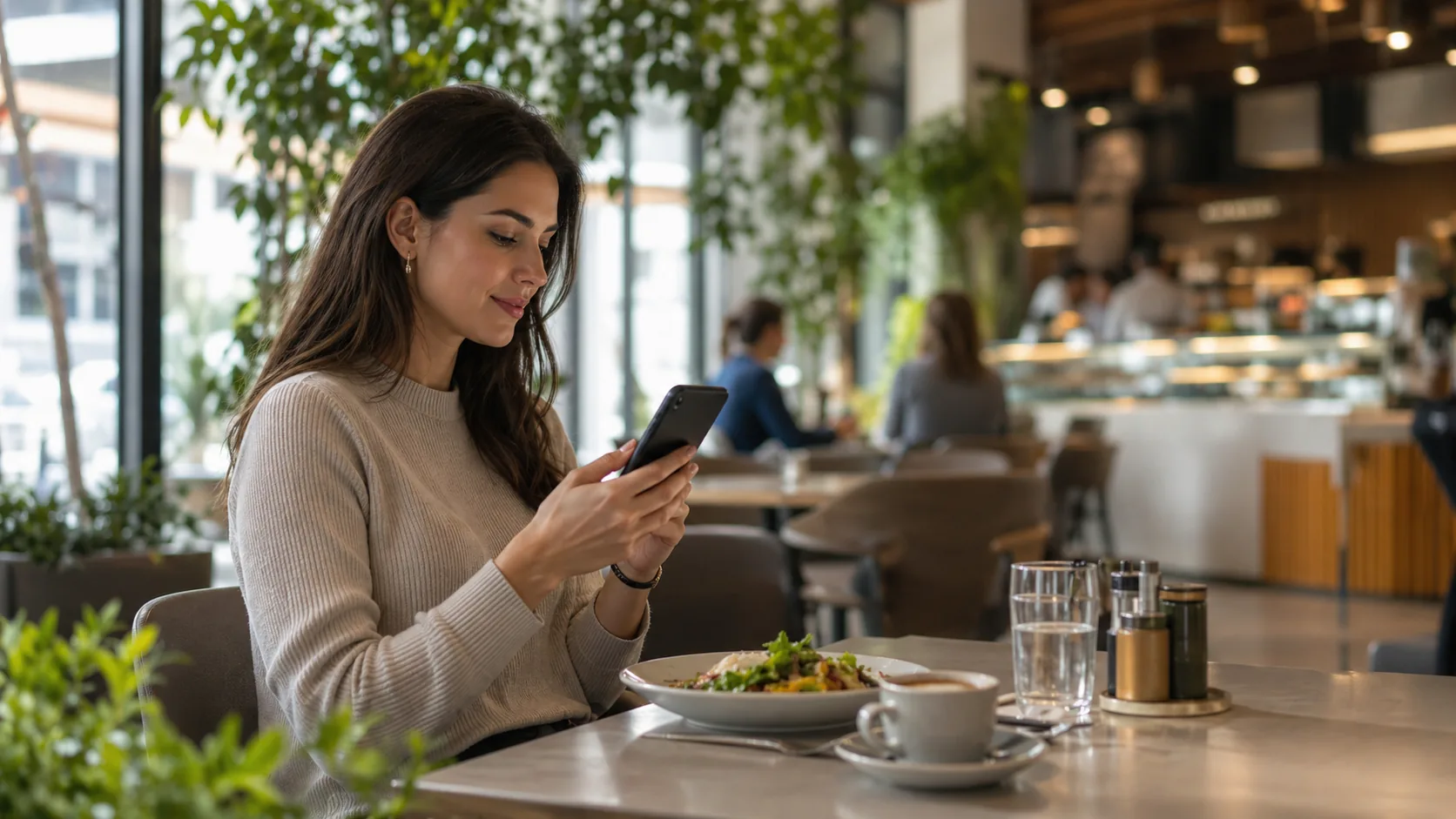
In the modern hospitality industry, sustainability is no longer just a buzzword—it is a competitive necessity. While many restaurateurs focus on sourcing local ingredients to reduce their carbon footprint, a significant source of waste often sits right on the table: the paper menu.
Traditional menus are not only environmentally costly but financially draining. By transitioning to a "Zero-Waste" digital menu, restaurants can align eco-friendly practices with a robust business strategy that cuts costs and enhances the customer experience.
1. The Financial Logic of "Going Paperless"
The most visible form of waste in menu management is paper itself. Traditional menus require frequent reprinting due to wear and tear, seasonal changes, or price adjustments. This creates a cycle of "high long-term costs" and continuous physical waste.
A QR code menu breaks this cycle. By moving to a digital platform, restaurants eliminate printing and design fees entirely. This is particularly vital in volatile economies where food costs fluctuate frequently; digital menus allow operators to update prices instantly without spending a cent on new prints. As noted in recent industry analysis, this shift transforms a recurring expense into a "low long-term cost" solution that pays for itself.
2. Agility: Reducing Food Waste with Real-Time Updates
Sustainability isn't just about paper; it’s about food. Static paper menus often lead to customer disappointment when items are sold out, or food waste when kitchen surplus cannot be promoted effectively.
Digital menus offer the agility required for a true "zero-waste" kitchen strategy:
- Inventory Management: You can "hide items mid-service" the moment they run out, managing guest expectations instantly.
- Surplus Promotion: If the kitchen has an overstock of specific ingredients, you can instantly highlight dishes using those ingredients as "Specials" or "Recommended Pairings" to drive sales and prevent spoilage.
- Seasonal Adaptation: Add seasonal dishes instantly to utilize fresh, available produce without waiting for a new print run.
3. The Science of Satisfaction: Why Guests Prefer "Green" Tech
Recent academic research suggests that sustainable menu practices—specifically QR menus—have a profound impact on how customers perceive a restaurant's quality.
A 2025 study on sustainable QR menus found that technology-based service innovation has a significant positive effect on overall "service quality" and "customer satisfaction". The study highlights a fascinating psychological insight: for customers who perceive high risks (such as hygiene or data privacy), the presence of a high-quality, well-functioning digital menu actually has a stronger positive impact on their perception of quality than it does for low-risk customers.
By offering a hygienic, contactless, and sustainable ordering method, you are signaling to your guests that you care about their safety and the environment, which directly boosts their satisfaction.
4. Inclusivity is Sustainable Service
A truly sustainable strategy must also be socially sustainable—meaning it is accessible to everyone. Paper menus are often limited by space, making it difficult to include translations or detailed allergen information.
Digital platforms solve this by offering:
- Multi-Language Support: Platforms can translate dishes into up to 35 languages, welcoming international guests without the waste of printing separate menus.
- Dietary Clarity: Digital tags for allergens (e.g., gluten-free, vegan) ensure guests feel safe and confident in their orders, reducing the risk of sent-back food due to dietary misunderstandings.
Conclusion: A Smarter Way to Serve
The "Zero-Waste" menu is more than an environmental choice; it is a strategic asset. It bridges the gap between operational efficiency and modern hospitality. By eliminating paper waste, reducing food spoilage through real-time updates, and leveraging technology to improve service quality, restaurants can create a business model that is as profitable as it is green.
As the industry evolves, the choice is clear: the future of dining is sustainable, efficient, and digital.
Ready to build your sustainable strategy? Start by auditing your current printing costs and exploring digital menu platforms that offer real-time flexibility and analytics to maximize your ROI.